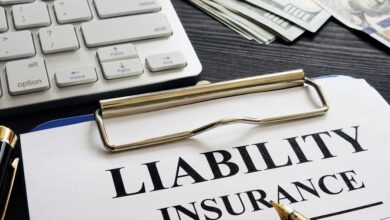
What Does a Standard Insurance Policy Cover? This introduction delves into the fundamental aspects of insurance coverage, shedding light on what policyholders can expect from a standard insurance policy. From property coverage to liability protection, this overview will provide a comprehensive understanding of the essentials.
Exploring the nuances of property, liability, medical payments, and additional living expenses coverage, this guide aims to clarify the often complex world of insurance policies in a clear and concise manner.




Overview of a Standard Insurance Policy
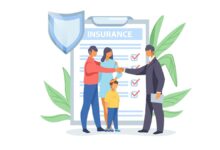
Insurance is a crucial financial tool that provides protection against various risks and uncertainties. A standard insurance policy typically covers a range of common risks and liabilities that individuals or businesses may face. It serves as a contract between the policyholder and the insurance company, outlining the terms and conditions of coverage.
Types of Insurance Covered in a Standard Policy
- Property Insurance: Protects against damage or loss of physical assets such as homes, buildings, or personal belongings.
- Liability Insurance: Covers legal responsibilities for injuries or damages to others that occur on the policyholder’s property or as a result of their actions.
- Health Insurance: Provides coverage for medical expenses, including hospitalization, surgeries, and prescription medications.
- Life Insurance: Offers financial protection to beneficiaries in the event of the policyholder’s death.
- Auto Insurance: Protects against financial losses due to vehicle accidents, theft, or damage.
Importance of Having a Standard Insurance Policy
Having a standard insurance policy is essential for safeguarding your finances and assets against unexpected events. It provides peace of mind by transferring the risks to the insurance company in exchange for premium payments. Without insurance coverage, individuals or businesses may face significant financial burdens in the event of a disaster, accident, or lawsuit.
Property Coverage
Property coverage in a standard insurance policy refers to the protection provided for physical belongings or assets in case of damage, theft, or loss.
Homeowners vs. Renters
When it comes to property coverage, homeowners and renters insurance policies differ in terms of the extent of coverage and the types of items protected.
- Homeowners Insurance: Typically covers the structure of the home, personal belongings inside the home, and liability for injuries that occur on the property.
- Renters Insurance: Generally covers personal belongings within the rented property, liability for injuries on the premises, and additional living expenses if the property becomes uninhabitable.
Items Covered
- Furniture: Including sofas, tables, chairs, and beds.
- Electronics: Such as televisions, computers, and gaming consoles.
- Appliances: Like refrigerators, stoves, and washing machines.
- Clothing: Covering a range of items from everyday wear to specialized attire.
- Jewelry and Valuables: Including watches, rings, and other precious items.
- Personal Belongings: Such as luggage, books, and decorations.
Liability Coverage
Liability coverage is a crucial component of insurance policies that protects policyholders from financial loss resulting from liabilities imposed by lawsuits or legal claims. It provides coverage for bodily injury or property damage that the policyholder is legally responsible for.
Significance of Liability Coverage
Liability coverage is essential as it safeguards policyholders from potentially devastating financial consequences in the event of an accident or incident where they are found liable. Without liability coverage, individuals may face significant out-of-pocket expenses, legal fees, and even court-ordered judgments.
How Liability Coverage Protects Policyholders
- Provides financial protection in case of lawsuits or legal claims.
- Covers legal defense costs, settlement payments, and court judgments.
- Offers peace of mind by ensuring that policyholders are not left financially vulnerable in liability cases.
Scenarios Where Liability Coverage Comes into Play
- If a visitor slips and falls on your property and sues for medical expenses and damages, liability coverage can help cover the costs.
- In a car accident where you are found at fault, liability coverage can assist in covering the other party’s medical bills and vehicle repair expenses.
- If your pet causes injury to someone or damages their property, liability coverage can help mitigate the financial repercussions.
Medical Payments Coverage
Medical payments coverage is a part of a standard insurance policy that helps cover medical expenses for you and your passengers if you are involved in an accident, regardless of who is at fault.
Types of Medical Expenses Covered
- Hospital bills
- Doctor visits
- Surgery costs
- X-rays and lab tests
- Ambulance fees
- Prescription medications
Examples of Situations
- If you are driving and a car hits you from behind, causing you and your passengers injuries, medical payments coverage can help pay for the medical treatment.
- If you are a passenger in a friend’s car and they get into an accident, medical payments coverage can help cover your medical expenses as well.
- If you are a pedestrian and get hit by a car, your medical payments coverage can help with your medical bills.
Additional Living Expenses Coverage
Additional Living Expenses (ALE) coverage is a crucial part of a standard insurance policy that helps policyholders cover the costs of living elsewhere if their home becomes uninhabitable due to a covered loss.
What ALE Coverage Offers
When a covered event like a fire or natural disaster damages your home and makes it temporarily uninhabitable, ALE coverage can help pay for additional costs you may incur while living away from your residence. This can include expenses like hotel bills, temporary rentals, restaurant meals, and other necessary living expenses.
Examples of Situations Requiring ALE Coverage
- If your home is severely damaged by a fire and you need to stay in a hotel while repairs are being made.
- In the event of a natural disaster that forces you to evacuate, leaving your home uninhabitable.
- If your home is flooded and you need to find temporary accommodation while water damage is being repaired.
Limits and Conditions of ALE Coverage
It’s important to note that ALE coverage typically has limits on the amount of reimbursement and the length of time it will cover your additional living expenses. Policyholders should carefully review their insurance policy to understand the specific conditions and restrictions that apply to their ALE coverage.
Final Summary
In conclusion, understanding what a standard insurance policy covers is crucial for making informed decisions about your insurance needs. By grasping the key components of insurance coverage, policyholders can ensure they are adequately protected in various scenarios, offering peace of mind and financial security.